Where Should You Install a Small Safe in Your Home?
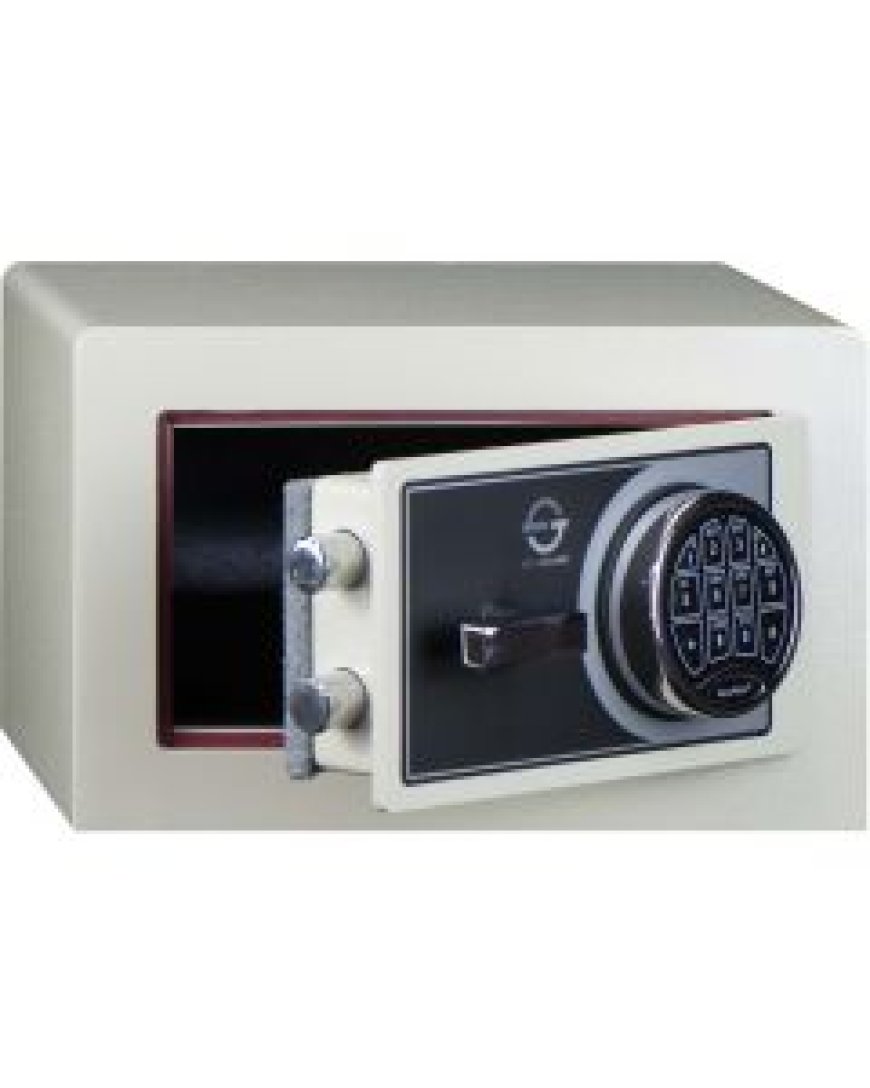
Choosing the right location for your small safe is crucial for maximizing security while maintaining accessibility. The placement decision directly impacts protection effectiveness, concealment success, and practical usability. This guide explores optimal installation locations and key considerations for homeowners.
Master Bedroom: The Prime Location
The master bedroom typically offers the best combination of security and accessibility for small safe installation. This private space provides natural concealment opportunities while ensuring easy access for homeowners.
Closet Installation represents the most popular choice. Position your safe behind clothing, in corner areas, or within built-in storage systems. Closets offer excellent natural camouflage while maintaining convenient access. Consider mounting the safe to the closet floor or wall to prevent removal.
Under-bed mounting provides exceptional concealment using specialized brackets or platforms. This location keeps valuables easily accessible while remaining virtually invisible to intruders. Ensure adequate clearance for safe operation and verify bed frame compatibility.
Dresser integration works well for smaller safes that can fit within existing furniture. Install safes within dresser drawers or behind dresser units for good concealment. This approach maintains bedroom aesthetics while providing security.
Home Office and Study Areas
Home offices present excellent opportunities for document-focused small safe installation. These locations balance professional accessibility with security needs.
Desk integration allows safes to be built into desk designs or concealed within desk drawers. This placement provides easy access for important documents while maintaining a professional appearance. Consider safes specifically designed for furniture integration.
Bookshelf concealment offers superior camouflage by installing safes within bookshelf units. Create custom enclosures that blend with surrounding books and materials. Ensure adequate ventilation for electronic lock systems and easy access for regular use.
Behind wall art placement works for wall-mounted safes concealed behind artwork or decorative elements. This installation requires careful planning to ensure artwork can be easily moved for access while maintaining security.
Security-Focused Installation Strategies
Proper anchoring is essential for small safe security. Floor mounting by bolting safes to floor joists or concrete provides excellent security against removal. Use appropriate hardware for your specific floor type and ensure proper weight distribution.
Wall mounting requires careful attention to stud location and weight capacity. Use appropriate mounting hardware and consider reinforcement for heavier safes. Hidden fastening systems prevent tampering while maintaining security.
Concealment techniques significantly enhance protection. Avoid obvious placement in expected locations like bedroom nightstands or office desks. Instead, consider false wall installation, furniture modification, or decoy placement strategies.
Environmental and Practical Considerations
Climate control significantly impacts safe performance. Avoid locations with high humidity that can damage contents or affect electronic components. Choose areas with stable temperatures, avoiding proximity to heating systems, direct sunlight, or unheated spaces.
Accessibility balance ensures security doesn't compromise usability. Consider which family members need safe access and choose locations accommodating their physical capabilities. Avoid installations requiring excessive reaching, bending, or climbing.
Emergency access planning ensures safe locations allow for quick access during stressful situations. Practice accessing the safe under various conditions to verify usability during emergencies.
Common Installation Mistakes to Avoid
Inadequate anchoring allows thieves to remove entire units for later attack. Always properly secure small safes to prevent removal.
Poor concealment through obvious placement attracts attention and invites theft attempts. Proper concealment is essential for security effectiveness.
Environmental negligence can compromise both safe operation and content protection. Consider humidity, temperature, and flood risks when selecting locations.
Accessibility problems from overly complex installations reduce practical usability and emergency effectiveness.
Professional vs. DIY Installation
Consider professional installation for complex mounting, electrical integration, or structural modifications. DIY installation works well for simple mounting, furniture integration, and standard locations within existing structures.
Conclusion
The optimal small safe location balances maximum security with practical accessibility. Your specific needs, home layout, and family requirements should guide your decision. Consider master bedroom closets for general use, home offices for document storage, and always prioritize proper anchoring and concealment.
Remember that effective small safe installation requires careful planning, appropriate hardware, and attention to both security and usability factors. When selecting from the wide range of Safes Australia offers, take time to evaluate multiple installation options before making your final placement decision to ensure maximum protection for your valuables.