What Is a Hardcover Book? Key Features & Benefits Explained
Discover what a hardcover book is, its key features, and why it stands out. Learn about hardcover book printing cost, durability, and publishing benefits in this complete guide.
When you walk into a bookstore or browse books online, youre likely to notice two common formats: paperback and hardcover. While both have their merits, hardcover books are often considered the premium choice. From their durability to their aesthetic appeal, hardcover books offer several advantages that make them ideal for collectors, authors, and readers alike. In this article, well explain exactly what a hardcover book is, explore its features, benefits, and also shed light on the hardcover book printing cost a key factor for authors and publishers.
What Is a Hardcover Book?
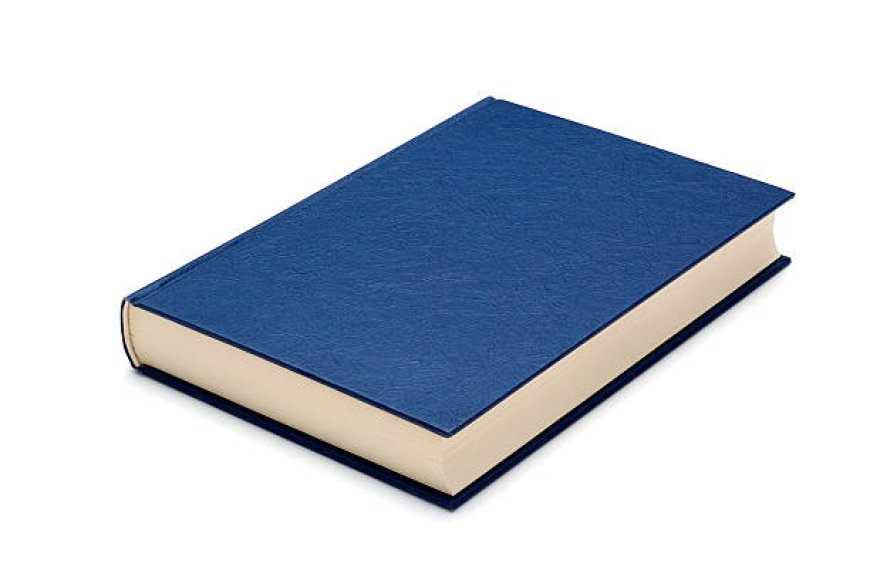
A hardcover book, also known as a hardback or case-bound book, features a rigid protective cover made of cardboard or binders board, often wrapped in cloth, leather, or paper. Unlike paperback books, which have a flexible cover, hardcover books are designed for strength, longevity, and aesthetic presentation.
Hardcover books are usually the first format released for new titles and are often more expensive than their paperback counterparts. Their durability, combined with an attractive cover design and higher production quality, makes them highly desirable for collectors, libraries, and readers who value a premium reading experience.
Key Features of Hardcover Books
Here are some defining characteristics of hardcover books:
1. Rigid Binding
Hardcover books are bound with sturdy materials that resist bending and tearing. The spine is either sewn or glued for maximum strength, often allowing the book to lay flat when open a major advantage for readers and researchers.
2. Dust Jacket (Optional)
Many hardcover books come with a dust jacket a detachable outer cover printed with artwork and promotional text. It protects the book from dirt and wear while enhancing visual appeal.
3. End Sheets
Hardcover books typically include end sheets, which are thicker pages glued to the inside of the front and back covers. These pages provide structural support and often feature designs, maps, or additional content.
4. Premium Paper Quality
The pages in hardcover books are often printed on thicker, acid-free paper, which lasts longer and resists yellowing over time. This is especially important for archival use or display.
5. Superior Print Finish
Whether matte or glossy, the finish on a hardcover book is typically more refined. It adds a tactile quality that enhances the overall reading experience.
Benefits of Choosing a Hardcover Book
Now that weve defined what a hardcover book is, lets explore why theyre so popular:
1. Durability
Hardcover books are built to last. The tough exterior and strong binding mean they can withstand years of use without falling apart ideal for personal libraries, school textbooks, or coffee table displays.
2. Professional Appearance
Hardcover books often convey a sense of quality and authority. This is why they are preferred for professional publications, gift books, and collector's editions.
3. Resale and Collectible Value
Hardcover editions often retain higher value in the resale market, especially first editions or signed copies. Collectors typically prioritize hardcover versions due to their longevity and presentation.
4. Enhanced Reader Experience
The weight, feel, and sturdiness of a hardcover book provide a more immersive and satisfying reading experience, especially for long reads or display-worthy books.
Hardcover Book Printing Cost: What to Expect
For authors, publishers, and businesses interested in publishing, one of the most important considerations is the hardcover book printing cost.
1. Factors Affecting Hardcover Book Printing Cost
The cost of printing a hardcover book can vary depending on several factors:
-
Page Count: More pages mean higher material and production costs.
-
Trim Size: Larger books require more paper and higher printing costs.
-
Print Quantity: Bulk printing typically reduces the cost per unit.
-
Cover Material: Cloth, leather, or specialty finishes can raise the price.
-
Color vs. Black & White: Full-color interiors are significantly more expensive than black and white.
-
Binding Type: Smyth-sewn binding is more durable but costs more than perfect binding.
2. Average Cost Estimates
-
Short Runs (100500 copies): The average hardcover book printing cost ranges from $10 to $25 per copy, depending on specifications.
-
Large Runs (1,000+ copies): Costs drop significantly to $4 to $10 per copy with offset printing.
-
Print-on-Demand: Services like IngramSpark or Amazon KDP offer POD hardcover options, typically costing $8 to $15 per copy, depending on size and page count.
Keep in mind, prices vary by region, printer, and specific project needs.
3. Cost vs. Value
While hardcover book printing is more expensive than paperback, the perceived value is also higher. If your target audience values quality or if you're producing a special edition, investing in hardcover printing can yield greater long-term rewards, both in reputation and profitability.
Is a Hardcover Book Right for You?
Whether youre a self-publishing author, a small press, or a book collector, its essential to match your goals with the right book format. If durability, presentation, and reader experience matter to you, a hardcover book is likely the best choice. If you're publishing, carefully weigh the hardcover book printing cost against your budget, target audience, and expected sales. For many creators, the professional edge that hardcover books offer is worth the additional investment.
Final Thoughts
A hardcover book represents more than just a reading experience its a statement of quality, care, and permanence. From its strong construction to its visual appeal, its no wonder that hardcover formats continue to be popular across genres and markets. If you're considering printing your own hardcover book, understanding the hardcover book printing cost and its associated benefits can help you make an informed decision. While it may cost more upfront, the long-term value in terms of presentation, durability, and customer satisfaction often makes it a worthwhile investment.