How Surgical Stores Ensure Quality and Safety in Healthcare
Explore how surgical stores play a critical role in maintaining quality and safety within the healthcare system. This article delves into the processes, standards, and practices that surgical stores follow to ensure the delivery of reliable, sterile, and high-performing medical instruments. From sourcing certified equipment to proper storage, staff training, and regulatory compliance, discover how surgical stores—such as a trusted Surgical Store Chennai—support healthcare professionals in delivering safe and effective patient care.

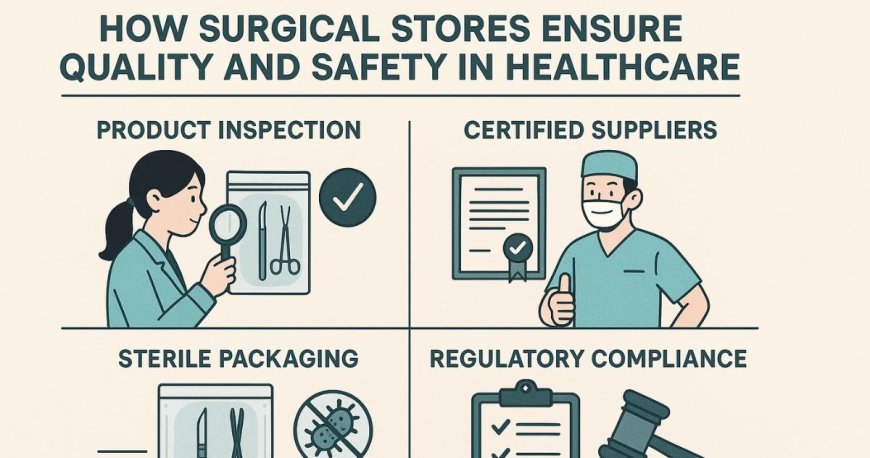
In todays healthcare landscape, a Surgical Store Chennai plays a role far beyond simply supplying instruments and medical equipment. These stores are crucial to ensuring the continuity, safety, and efficiency of medical procedures across all types of healthcare facilitiesfrom large urban hospitals to smaller rural clinics. By adhering to strict quality standards and dependable practices, surgical stores directly impact patient care outcomes. This article explores the vital contribution of surgical stores, particularly in cities like Chennai, and highlights the systems and protocols they follow to maintain high levels of quality and safety in healthcare delivery.
1. The Backbone of Medical Supply Chains
Surgical stores serve as the primary link between medical manufacturers and end userssurgeons, nurses, and healthcare institutions. By managing inventory, sourcing certified instruments, and maintaining compliance with regulatory standards, these stores ensure that only safe, sterile, and high-quality products are made available to healthcare professionals.
Without well-functioning surgical stores, even the most advanced healthcare facility would struggle with timely access to essential items. These stores streamline the procurement process by maintaining reliable inventories, reducing delays, and mitigating risks related to shortages or counterfeit supplies.
2. Procurement from Certified Manufacturers Only
One of the core responsibilities of surgical stores is ensuring that every instrument or piece of equipment they distribute is sourced from approved and accredited manufacturers. These manufacturers must adhere to medical device regulations and pass stringent quality checks. Surgical stores carefully evaluate their suppliers certifications, often sourcing only from those compliant with ISO standards and national healthcare regulations.
This attention to certified procurement minimizes the chances of defective or substandard equipment reaching healthcare providers. When only authentic, regulation-compliant instruments are used in surgeries, patient safety is significantly improved.
3. Rigorous Quality Control Protocols
Quality assurance doesnt end at procurement. Surgical stores enforce their own quality control measures before distributing items to healthcare providers. This may include inspecting packaging integrity, verifying sterilization processes, and confirming that expiration dates are far from due.
Some advanced surgical stores even maintain in-house testing or inspection stations, where batches of equipmentespecially those used in critical proceduresare tested for functionality and compliance. This extra layer of scrutiny ensures that the tools in a surgeons hand perform exactly as expected, every single time.
4. Proper Storage and Inventory Management
Maintaining the safety and effectiveness of medical supplies is impossible without proper storage conditions. Surgical instruments and equipment are highly sensitive to environmental factors like humidity, temperature, and contamination. Surgical stores follow stringent protocols in warehouse design and storage layout to protect items from deterioration.
Sterile instruments are often stored in temperature-controlled and dust-free environments, with specialized racks and labeling systems to avoid mix-ups. Regular inventory rotation ensures that older stock is used first, reducing the risk of expired materials entering medical procedures.
Such meticulous storage practices, often overlooked by outsiders, are key to ensuring patient safety and operational efficiency.
5. Trained and Knowledgeable Staff
Human error is a significant factor in any supply chain. Surgical stores address this by employing trained personnel who understand the nature of medical tools and the critical role they play in healthcare. Staff members are often educated in basic medical terminology, equipment classification, and sterilization practices.
By maintaining knowledgeable staff, surgical stores can accurately respond to queries from surgeons or hospital procurement teams, recommend appropriate substitutes during stockouts, and manage inventory with minimal errors.
Moreover, employees in these stores are trained to handle emergenciessuch as urgent equipment requests for trauma or surgical emergenciesensuring timely deliveries that could be life-saving.
6. Compliance with Regulatory Guidelines
Surgical stores operate under a strict regulatory framework. In many regions, they are required to register with government health authorities, obtain licenses, and periodically undergo inspections. These measures ensure that stores maintain high standards of hygiene, record-keeping, and operational procedures.
By adhering to these guidelines, surgical stores help maintain a transparent and accountable supply chain. Healthcare institutions that source from compliant stores are less likely to face legal issues or safety breaches, thereby enhancing overall trust in the system.
7. Facilitating Traceability and Documentation
Traceability is vital in modern healthcare, especially when dealing with surgical instruments that may be reused or implanted into patients. Surgical stores play a vital role in this by maintaining detailed documentation of batch numbers, supplier information, and delivery records.
In the event of a recall or reported defect, these records make it possible to trace back faulty instruments to their source and prevent further use. This ensures faster corrective action and protects both patients and medical institutions from harm.
8. Supporting Innovation and Technological Updates
The field of surgery evolves rapidly, with new techniques, tools, and devices entering the market frequently. Surgical stores keep abreast of these advancements and ensure that healthcare providers have access to the latest technology.
By stocking innovative and minimally invasive surgical instruments, stores help hospitals reduce recovery times, lower infection rates, and offer more effective treatment options. This commitment to progress ensures that patient care remains modern and competitive.
9. Serving Regional Needs with Consistency
In India, for example, surgical stores located in different cities cater to unique regional needs while maintaining universal standards. A well-established surgical store may serve a dense urban population and a wide range of hospital networks, while a surgical store in Coimbatore might focus on both urban and rural healthcare needs, offering accessibility to clinics that serve remote areas.
Despite differences in demand, both types of stores are expected to maintain the same commitment to quality, hygiene, and customer service. This consistency ensures equitable healthcare delivery across various regions, regardless of the infrastructure or size of the medical facility.
10. Building Trust with Healthcare Professionals
Perhaps the most crucial aspect of surgical stores' role in healthcare safety is the trust they build with medical professionals. When a surgeon orders a specific tool for a complex operation, they are placing their confidence in the stores reliability.
Consistent performance, ethical practices, and commitment to quality allow surgical stores to become long-term partners in healthcare delivery. These relationships reduce the risk of supply-related disruptions and foster a dependable environment in which doctors can focus entirely on patient outcomes.
Conclusion
Surgical stores are often the unsung heroes of the healthcare system. Their influence on patient safety and treatment quality is immense, even if their role remains behind the scenes. From ensuring regulatory compliance and quality control to educating staff and supplying the latest innovations, surgical stores are foundational to delivering safe, effective medical care.
As healthcare continues to evolve and patient expectations rise, the demand for reliable, high-quality surgical stores will only increase. By upholding stringent standards and staying aligned with global best practices, these stores will continue to be vital pillars of medical excellence.