How Soon Should You Get an STD Test After a New Partner?


Starting a new sexual relationship is exciting, but it also comes with responsibilitiesone of the most important being sexual health. Knowing when to get anSTD testafter being with a new partner helps protect both you and them from potential infections. This guide will walk you through the ideal timing for testing, why it matters, and what to expect.
Why Getting an STD Test After a New Partner Is Important
Std Test Dubai often show no symptoms, meaning you or your partner could have an infection without realizing it. Regular STD testing ensures early detection, preventing long-term health complications and reducing the risk of transmission.
Many STDs, such as chlamydia, gonorrhea, and HIV, have incubation periods where the infection may not show up on tests immediately. Testing too soon can lead to false negatives, while waiting too long increases the risk of unknowingly spreading an infection.
When Should You Get an STD Test After Unprotected Sex?
The right time for anSTD testdepends on the type of infection and your sexual activity. Heres a general guideline for when to test after exposure:
Immediate Testing (Within a Week)
If you suspect recent exposure to an STD or experience symptoms like unusual discharge, pain, or sores, seek testing as soon as possible. Some infections, like syphilis or herpes, may require immediate evaluation.
Standard Testing Window (1-2 Weeks)
Most bacterial STDs, including chlamydia and gonorrhea, can be detected within1-2 weeksafter exposure. Testing during this period helps identify infections early so treatment can begin promptly.
Extended Testing Window (3-6 Weeks)
Viral infections like HIV and hepatitis B may take longer to appear on tests. For accurate results, consider:
-
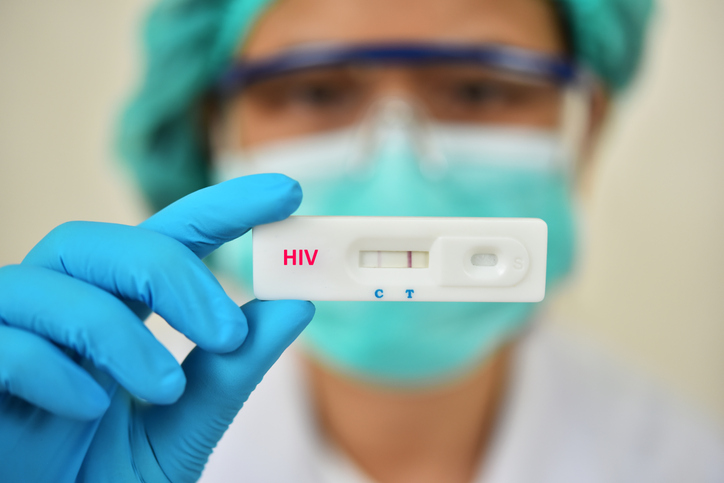
HIV: Wait at least2-4 weeksfor initial testing, with a follow-up at3 monthsfor confirmation.
-
Hepatitis B & C: Testing is most reliable6 weeks to 3 monthsafter exposure.
-
Syphilis: While detectable within1-2 weeks, a follow-up test at3 monthsis recommended for certainty.
Full Screening (3 Months After Exposure)
For complete peace of mind, a fullSTD testpanel at the3-month markensures all potential infections are identified, including those with longer incubation periods.
Factors That Influence When to Get Tested
Several factors determine the best time for anSTD testafter a new partner:
Type of Sexual Activity
Different STDs spread through various types of contact:
-
Oral, vaginal, or anal sexcan transmit infections like gonorrhea, chlamydia, and herpes.
-
Skin-to-skin contactspreads HPV and syphilis, even without penetration.
Number of Partners
Having multiple partners or not knowing a partners sexual history increases risk. In such cases, more frequentSTD testingis advisable.
Previous STD History
If youve had an STD before, you may be at higher risk for reinfection. Regular testing helps monitor your sexual health.
Condom Use
While condoms reduce STD transmission risk, they dont eliminate it entirely. Testing is still necessary, especially after unprotected sex.
What to Expect During an STD Test
If youve never had anSTD testbefore, the process is simple and confidential. Heres what typically happens:
Consultation
A healthcare provider will ask about your sexual history, symptoms, and potential exposures to determine which tests you need.
Sample Collection
Depending on the STD, testing may involve:
-
Urine samplefor chlamydia and gonorrhea.
-
Blood testfor HIV, syphilis, and hepatitis.
-
Swab testfor genital herpes or HPV.
Results and Follow-Up
Results are usually available within a few days to a week. If positive, treatment options will be discussed. Some infections require partners to be notified and tested as well.
How Often Should You Get Tested?
RegularSTD testingis key to maintaining sexual health. Heres a general recommendation:
Annual Testing
Sexually active individuals should get tested at least once a year, even without symptoms.
More Frequent Testing
Consider testing every3-6 monthsif you:
-
Have multiple partners.
-
Engage in unprotected sex.
-
Are in a non-monogamous relationship.
Before Starting a New Relationship
Getting tested before becoming sexually active with a new partner ensures both of you start with a clean bill of health.
Common Misconceptions About STD Testing
Many people avoidSTD testsdue to myths and misunderstandings. Lets clear up a few:
"If I Dont Have Symptoms, I Dont Need a Test"
Most STDs dont show symptoms immediately. Waiting for signs can lead to untreated infections and complications.
"Only Promiscuous People Get STDs"
Anyone sexually active can contract an STD, regardless of the number of partners. Regular testing is for everyone.
"STD Tests Are Painful and Embarrassing"
Modern testing is quick, discreet, and often painless. Healthcare providers handle these tests professionally and without judgment.
Final Thoughts
Getting an Std Test in Dubai after a new partner is a responsible step toward protecting your health and theirs. Timing matterstesting too early may miss infections, while waiting too long can increase risks. If youre unsure, consult a healthcare provider to determine the best testing schedule for your situation.
Prioritizing regular STD testing ensures a healthier sex life and peace of mind. Dont wait for symptomstake control of your sexual health today.